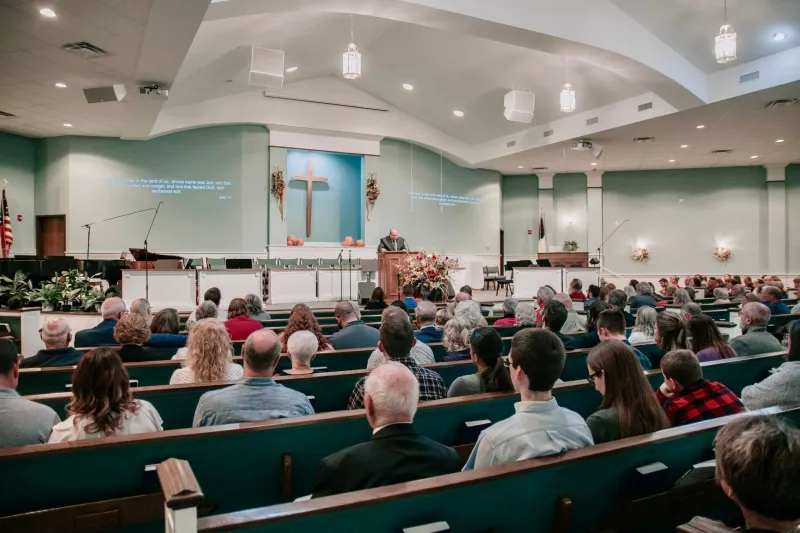
When the Last Member Leaves: The Battle for America's Abandoned Houses of Worship
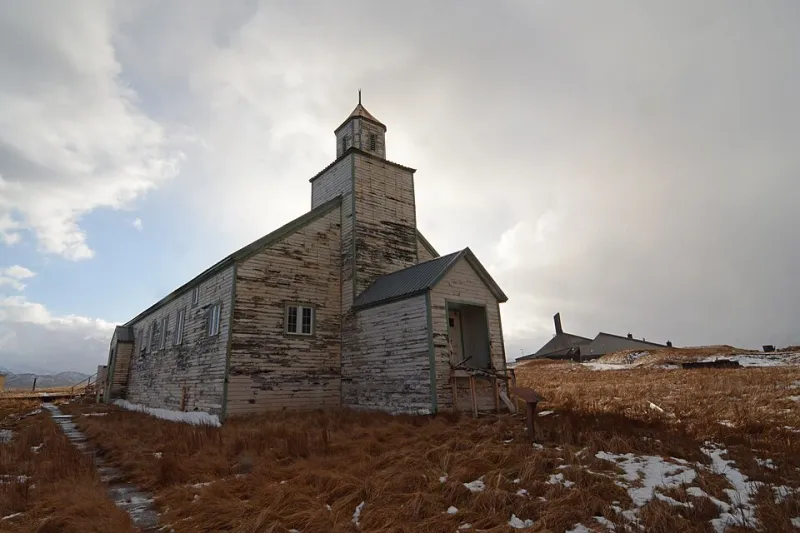
Photo: Paxson Woelber, CC BY-SA 4.0, via Wikimedia Commons
For ninety-one years, the congregation on the corner has gathered beneath its stained glass. This year, its final members — eleven of them, most past retirement age — voted to close. What happens next to the building has become a case study in one of the fastest-growing property fights in American civic life.
The Arithmetic of Decline
The numbers are unforgiving. Denominational researchers estimate that thousands of houses of worship close annually, a pace accelerated by aging congregations, deferred maintenance, and shifting population. Each closure hands a community a question with no settled answer: who decides what a sanctuary becomes?
In the case of the corner congregation, the answer is contested from three directions. A developer has offered a premium for the parcel, envisioning townhomes. A neighborhood preservation group wants the façade and sanctuary protected. And the regional denominational body, which holds a restrictive covenant in the original deed, insists the property may only be sold for purposes consistent with its founding mission — a provision its lawyers are prepared to enforce.
Deed Restrictions and the Long Shadow of Donors
Those covenants, often written generations ago by donors or denominations, are becoming flashpoints. Courts have generally upheld them when they serve charitable purposes, but their enforcement can strand valuable real estate — sometimes for decades — while neighborhoods change around it. Municipalities, meanwhile, are rewriting preservation codes to slow the demolition of buildings that anchor historic streetscapes, even when the congregations inside them are gone.
Advocates for adaptive reuse argue the choice is not between a church and a parking lot. Across the country, former sanctuaries have become affordable housing, performance venues, food pantries, and community health clinics — conversions that preserve both the structure and something of its public spirit.
The Political Dimension
The fights are increasingly political. City council races in several fast-growing metros have turned on church-closure questions, as residents organize against demolition and zoning variances. Faith-based advocacy groups have begun pushing for model ordinances — right-of-first-refusal for community land trusts, expedited review for nonprofit buyers, tax incentives for preservation-minded conversions.
Denominational officials, for their part, face their own pressures: pension obligations and mission budgets often depend on liquidating property quickly, at market rates, to the highest bidder.
A Year of Endings
Back on the corner, the congregation's final year unfolded in a rhythm familiar to thousands of similar communities: a last anniversary service, the quiet distribution of hymnals and memorials to descendants, a final audit of the building's needs — a roof at the end of its life, a boiler older than most of the members.
When the doors close for the last time, the building will enter a new chapter governed by people who never worshipped there. Whether it becomes housing, a community asset, or a legal battleground will depend on negotiations now underway — and on whether municipalities, denominations, and developers can agree that a house of worship, even empty, still owes something to the street it has anchored for a century.