Rest as Legislation: The Unlikely Coalition Campaigning for a National Day of Rest

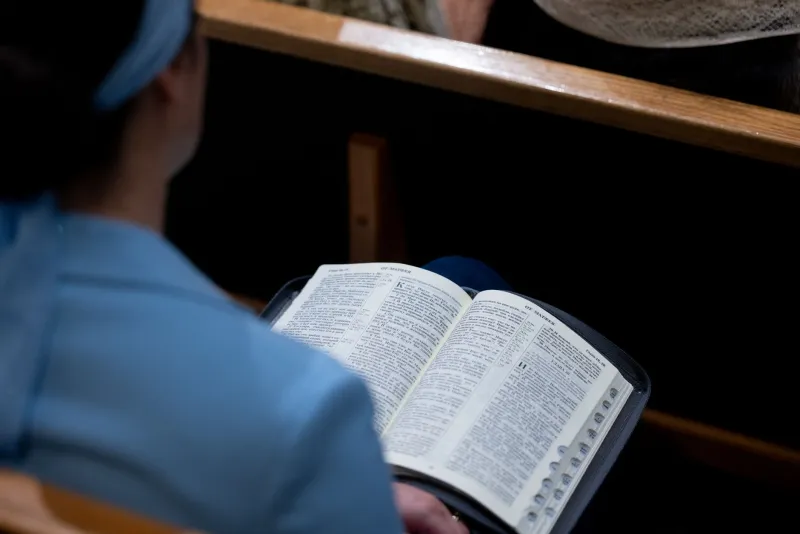
Photo: Michael Garlick , CC BY-SA 2.0, via Wikimedia Commons
In the hearing rooms of state capitols from Harrisburg to Topeka, a question that most lawmakers assumed had been settled a century ago is suddenly back on the docket: should the government guarantee its citizens a day of rest?
The movement behind the answer — an increasingly organized coalition of religious leaders, labor organizers, and family-policy advocates — calls itself, half-jokingly, the Sabbath lobby. Its members are anything but joking about the stakes.
An Old Idea Finds New Urgency
Blue laws, the statutes that once restricted commercial activity on Sundays, were largely dismantled in the 1980s and 1990s as retailers argued that consumer choice should trump tradition. What replaced them, advocates now argue, is a 24/7 economy that leaves low-wage workers with little control over their own time.
"We deregulated rest and called it freedom," says one coalition organizer who has spent three years shuttling between denominational headquarters and union halls. "Now we're asking legislatures to reconsider what we gave away."
The proposals vary widely. Some bills would require large retailers to close on Sundays or open late. Others would guarantee shift workers a predictable weekend day off, with religious observance as one protected rationale. A handful of measures pair the rest requirement with premium pay for Sunday shifts, a nod to labor's priorities.
Who Is Behind the Push
The funding and organizational muscle comes from an unusual mix. Mainline Protestant denominations, whose social Witness offices have long championed worker protections, have supplied staff and theological framing. Catholic dioceses in several industrial states have echoed the call, citing papal teaching on the dignity of labor. Meanwhile, a small philanthropic foundation with roots in the Anabaptist tradition has quietly underwritten model legislation and polling.
Labor unions, initially wary of entangling worker rights with religious language, have come aboard as polling showed the message resonating beyond the pews. Public-health researchers have added a secular justification: chronic sleep deprivation and irregular scheduling, they argue, carry measurable costs in emergency room visits and lost productivity.
Why Republicans Are Listening
The most surprising development is the bipartisan reception. Conservative lawmakers who would never endorse a labor mandate have found in the Sabbath framing a familiar vocabulary — one that speaks of family stability, community life, and a pace of living lost to the marketplace.
"This isn't about government running your business," one Midwestern state senator told colleagues during floor debate. "It's about whether we as a society still believe there's anything sacred about a shared pause."
Critics, including retail industry associations and some libertarian think tanks, counter that the bills would raise consumer prices and disadvantage smaller shops that depend on weekend revenue. Constitutional questions loom as well: any statute that singles out Sunday for its religious lineage invites an Establishment Clause challenge, which is why drafters have been careful to frame rest days in terms of health and family rather than worship.
From Niche Cause to Committee Vote
No state has yet enacted a comprehensive rest-day statute, but the coalition's trajectory mirrors other movements that began as long shots — from paid family leave to medical debt protections. Bills have cleared committee in at least three states this session, and the coalition claims legislative sponsors in a dozen more.
Whether the Sabbath lobby succeeds may depend less on theology than on endurance. Its leaders, drawing on the very virtue they champion, talk in terms of decades. "Movements of conscience are never quick," one denominational official said. "But the Sabbath has survived every empire. It can survive a legislative session."